Understanding the Gift Industry: Personalised and Corporate Gifts with Heat Transfer Media
Gifts in the gift industry fall into two main categories: personalised gifts and corporate gifts. People often give gifts to their loved ones during special occasions such as anniversaries, weddings, and birthdays, as well as during commemorative and seasonal events like Valentine’s Day, Mother’s Day, and Christmas. Additionally, many organisations provide personalised gifts to promote their brands, foster positive relationships with business partners or employees, and enhance customer loyalty.
As a result, there is a high demand for personalised gifts in both the corporate sector and the personal market.
The Role of Heat Transfer Media in Personalised Gifts
Creating personalised gifts typically requires printing, and one widely used printing method in this industry is heat transfer printing, which relies on heat transfer media. Heat transfer designs are ideal for on-site printing and small orders. For example, when it comes to t-shirts, customers can choose the color and size they prefer, and the design can be printed on the spot.
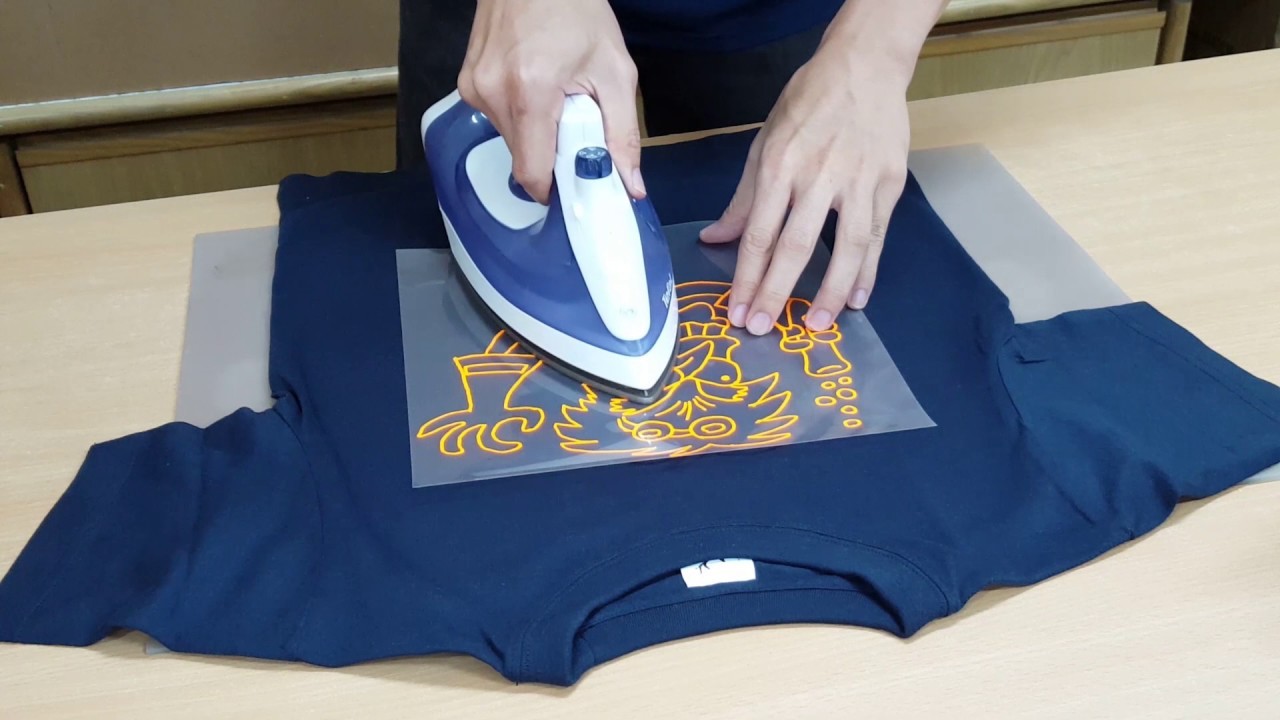
Heat transfer printing involves two main steps when applied to garments. First, the design is transferred from paper to fabric using a combination of heat and pressure. There are various types of heat transfer media available, which can exist in liquid, solid, or vapor form, and are capable of storing heat reversibly.
During the heat transfer printing process, a special ink is used to print the design onto wax paper. This design is then transferred to the fabric using heat and a heat press, which functions similarly to an iron. Over the years, transfer printing has gained popularity because it enables full-color images to be printed on fabrics. This method of printing personalised gifts offers several advantages.
The Top 5 Benefits of Heat Transfer Printing
Ease of Use
Heat transfer printing is a straightforward process. Printing a design on an item typically takes only three to five minutes. Even individuals without prior experience can quickly learn to operate a heat press machine. With a heat press machine, it is possible to print on various parts of garments. Additionally, heat press machines require minimal space in a printing setup.
Minimal Mess
Compared to screen printing, which involves dyes and solvents, heat transfer printing is much cleaner. There is no risk of ink spills damaging the items being printed. The heat transfer machine can be placed in a studio, with the transferable images brought in from another location.
High-Quality Prints
Heat press machines produce high-quality prints quickly and economically, without compromising on image quality. They can create vivid, complex, and full-color images with excellent resolution, resulting in sharp and detailed prints.
Cost-Effective
While screen printing is cost-effective for large batches of identical items, heat transfer printing is more economical for small runs, such as six pieces. The unit cost for garments printed using heat press technology is lower for these smaller quantities. Furthermore, heat press machines are relatively affordable, allowing printing businesses to recover their investment and start making profits swiftly, depending on the volume of orders.
Durability
The heat transfer printing method produces prints that are sharp, high-resolution, and resistant to deterioration. These prints can withstand frequent washing, rubbing, and exposure to external elements such as alcohol, petrol, and oil, ensuring that they maintain their appearance over time.
In summary, heat transfer printing and the use of heat transfer media offer an efficient and effective way to create personalised gifts, making it a popular choice in both personal and corporate gift markets. Its ease of use, high-quality output, cost-effectiveness, and durability make it an attractive option for businesses and individuals alike.