What Makes Roofing Such A Critical Decision For Australian Homes?
Roofing does more than simply cover a house—it shields everything beneath it from sun, wind, and heavy rain. In Australia, roofs must handle intense UV exposure, seasonal storms, and sudden temperature changes. Choosing the right roofing material can influence indoor comfort, maintenance needs, and even energy efficiency over time.
Why Has Steel Roofing Become So Common Across Australia?
Steel roofing has grown in popularity due to its strength and adaptability. Unlike some traditional materials, steel does not crack or warp under heat. It offers a lightweight alternative that places less stress on structural framing while still providing long-term durability. These characteristics make steel roofing suitable for both new homes and large-scale commercial buildings.
How Does Roofing Choice Affect Thermal Comfort?
A roof plays a major role in how heat moves through a building. Steel roofing systems are often designed to reflect sunlight rather than absorb it, helping to reduce heat transfer into living spaces. When combined with proper insulation and ventilation, steel roofs can support more stable indoor temperatures during hot summers and cooler months.
Can Roofing Materials Influence Architectural Style?
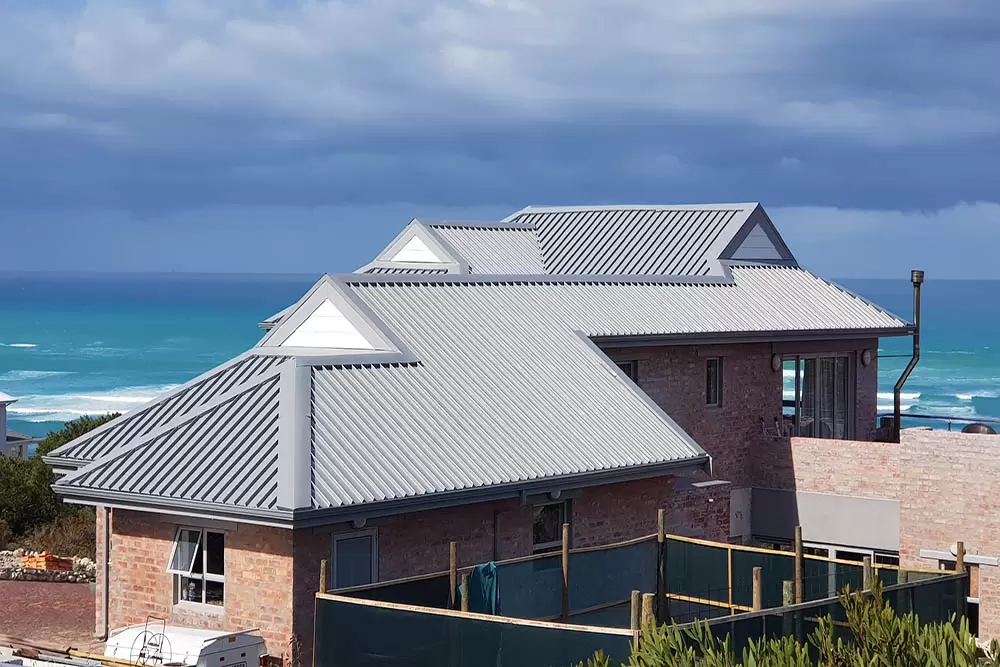
Modern Australian architecture frequently features clean lines and bold profiles, and roofing materials need to complement these designs. Steel roofing is available in a variety of finishes and profiles, allowing it to suit minimalist homes, industrial-style buildings, and even traditional designs. This flexibility helps homeowners achieve a cohesive exterior without compromising performance.
Where Does Bluescope Steel Roofing Fit In Today’s Building Landscape?
In the middle of conversations about performance and reliability, bluescope steel roofing is often highlighted for its suitability in Australian environments. Known for consistent quality and engineered coatings, bluescope steel roofing is designed to withstand harsh weather conditions while maintaining its appearance. These qualities have made it a preferred option for residential, commercial, and industrial roofing projects across the country.
How Does Steel Roofing Perform in Extreme Weather?
Australia experiences everything from heatwaves to heavy downpours, making weather resistance essential. Bluescope steel roofing systems are designed to resist corrosion, manage water run-off efficiently, and maintain structural integrity during storms. This performance helps reduce the risk of leaks and long-term deterioration, especially in exposed or coastal locations.
Is Steel Roofing a Low-Maintenance Option?
Many homeowners are drawn to steel roofing because it requires minimal upkeep. Bluescope steel roofing surfaces are smooth and durable, reducing the build-up of dirt and debris. Routine inspections and basic cleaning are usually enough to maintain functionality, making it a practical choice for busy households and large buildings alike.
Does Steel Roofing Support Sustainable Building Practices?
Sustainability has become an important consideration in modern construction. Steel roofing is recyclable and often manufactured with environmental efficiency in mind. Bluescope steel roofing supports sustainable building goals by offering longevity and reducing the need for frequent replacements, which in turn lowers material waste over time.
Is Steel Roofing Suitable for Renovations as Well as New Builds?
Steel roofing is not limited to new construction. Many renovation projects involve replacing older roofing materials with bluescope steel roofing to improve durability and update the home’s appearance. Its lightweight nature allows it to be installed over existing structures in many cases, making upgrades more efficient and cost-effective.
What Should Be Considered Before Choosing a Steel Roof?
Before selecting a roofing system, factors such as location, building design, and long-term performance expectations should be considered. Bluescope steel roofing offers a balance of strength, design flexibility, and durability, making it a reliable option for Australian conditions and modern building needs.