
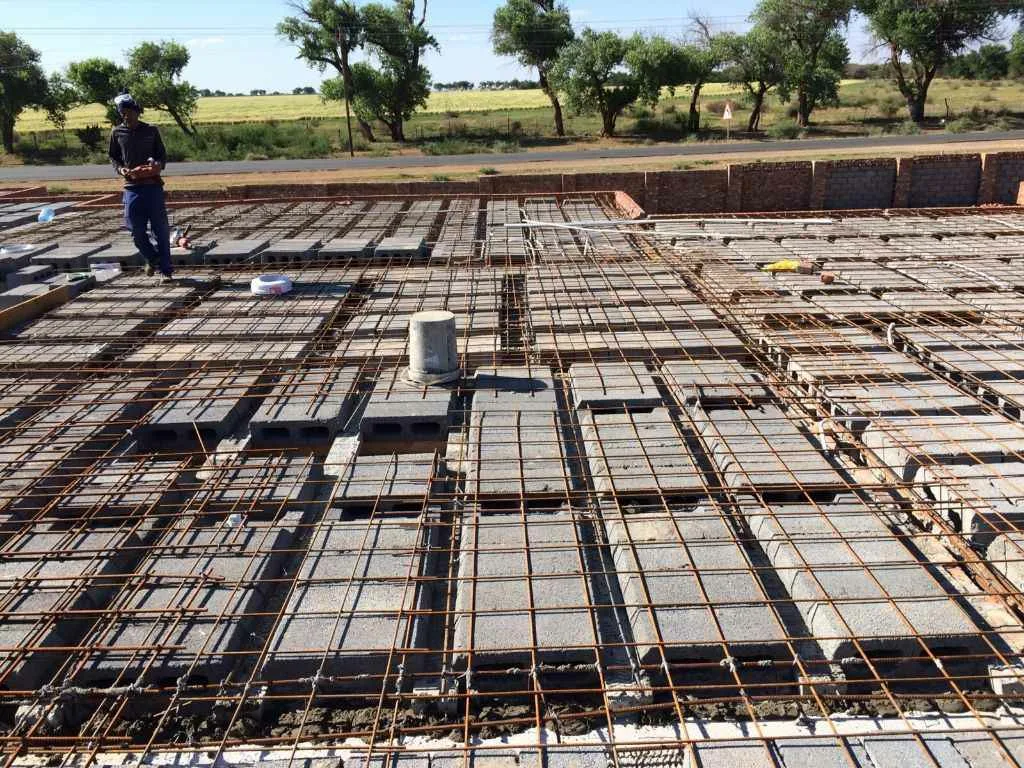
Post Tension: A Comprehensive Overview Of This Innovative Construction Method
The construction industry is constantly evolving, and one of the most significant advancements in recent years is the adoption of post tension techniques. This innovative method has transformed the way engineers and architects approach concrete design and construction. By utilising high-strength steel tendons to reinforce concrete structures, post tensioning provides numerous advantages that enhance durability, reduce material usage, and improve overall performance. This article aims to provide a comprehensive overview of post tensioning, its benefits, and its applications in modern construction.
What is Post Tensioning?
Post tensioning is a method used to reinforce concrete by tensioning high-strength steel tendons within the concrete itself. Unlike traditional reinforcement methods, which rely on rebar, post tensioning allows for greater control over the stresses within the concrete. This method can be applied to various structural elements, including slabs, beams, and bridges, making it a versatile choice for a range of projects.
Benefits of Post Tensioning
1. Increased Load Capacity
One of the most significant benefits of post tension is its ability to increase the load-carrying capacity of concrete structures. The tensioned tendons counteract tensile forces, allowing for thinner and lighter designs without compromising strength. This advantage is particularly beneficial for high-rise buildings and structures subjected to heavy loads.
2. Improved Durability
Post tensioned structures exhibit greater resistance to cracking and deformation, significantly improving their durability over time. This enhanced performance is essential in environments with fluctuating temperatures or heavy traffic, where conventional concrete may struggle to maintain its integrity.
3. Cost Efficiency
By allowing for thinner slabs and reduced material usage, post tensioning can lead to significant cost savings in construction. The lighter weight of post tensioned elements also translates to lower foundation costs, making it an economically viable option for many projects.
Applications of Post Tensioning
1. Residential Construction
In residential projects, post tensioning is often used in slab-on-grade applications. This technique provides homeowners with a durable foundation while minimising the risk of cracking over time. Its ability to accommodate expansive soils makes it a popular choice in areas prone to such challenges.
2. Commercial Buildings
Post tensioning is widely utilised in commercial construction due to its ability to create large open spaces without the need for excessive support columns. This design flexibility is particularly advantageous in retail spaces, warehouses, and office buildings.
3. Bridges and Infrastructure
The use of post tensioning in bridges and other infrastructure projects has become increasingly common. The enhanced load capacity and durability of post tensioned elements make them ideal for handling the stresses imposed by vehicular traffic and environmental factors.
Conclusion
In summary, post tensioning represents a groundbreaking approach in the construction industry, offering numerous advantages over traditional methods. By understanding the principles, benefits, and applications of post tension, stakeholders can harness its potential to create resilient, cost-effective structures that stand the test of time. As the industry continues to innovate, embracing techniques like post tensioning will be vital for achieving sustainable and high-performance construction solutions.