
Orthodontics Near Hurstville: A Practical Guide to Braces, Clear Aligners, and Better Bite Health
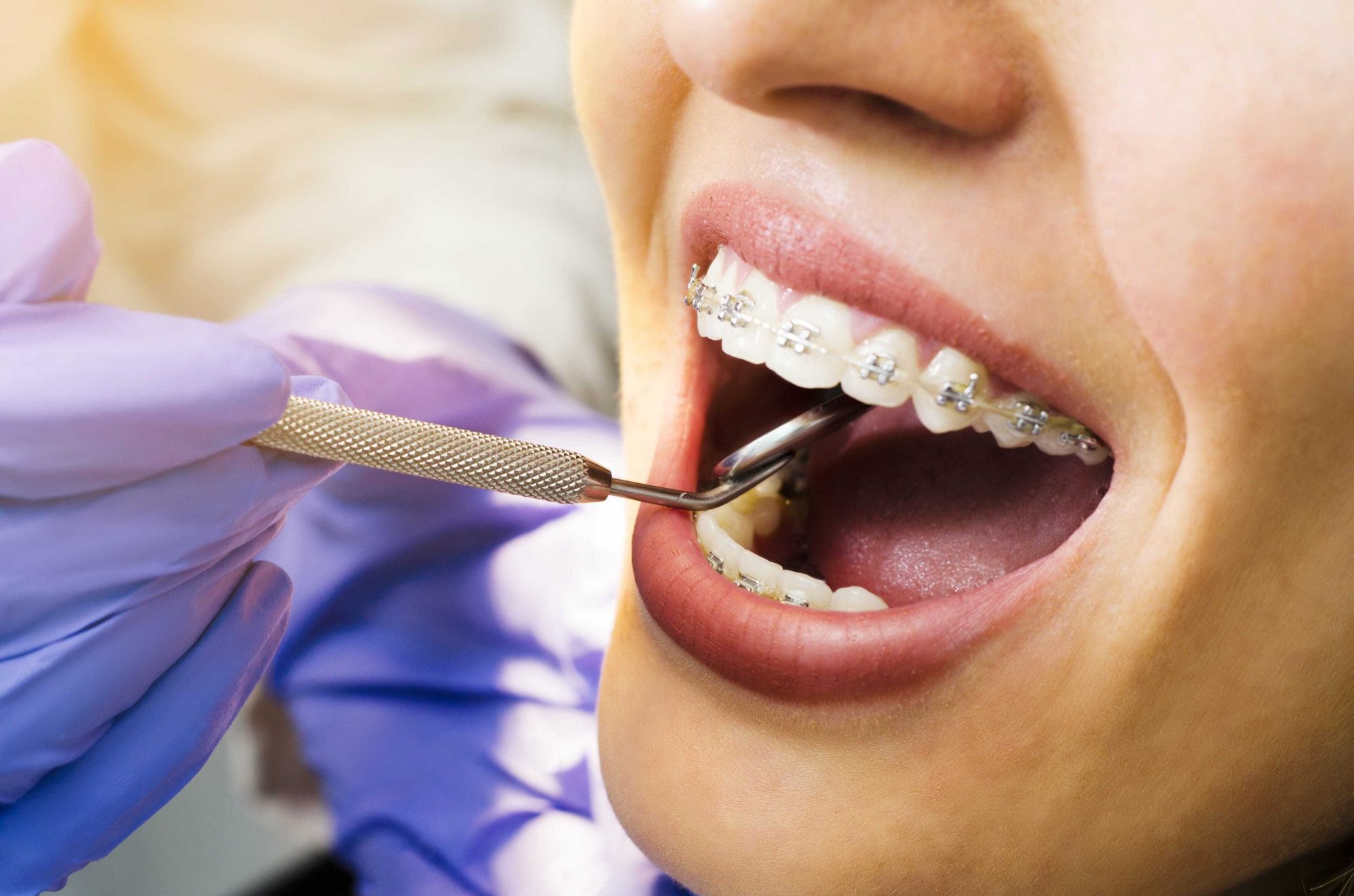
Choosing orthodontic treatment is not only about straight teeth. It is also about improving bite balance, jaw function, speech clarity, and long-term oral health. For anyone searching for orthodontics near Hurstville, it helps to understand the available treatment options, who they suit, and what the process usually looks like from first consultation to final results.
What orthodontics treats (beyond crooked teeth)
Orthodontics focuses on how teeth and jaws fit together. Treatment can help correct:
- Crowded or overlapping teeth
- Gaps between teeth
- Overbite, underbite, and crossbite
- Teeth that sit too far forward or inward
- Jaw alignment issues that affect chewing comfort
- Bite imbalances that contribute to uneven tooth wear
In many cases, improving alignment also makes brushing and flossing easier, which supports gum health and lowers decay risk.
Common orthodontic options explained
People exploring orthodontics near Hurstville usually see a few main choices. Each option depends on bite complexity, lifestyle, and budget.
Traditional braces
Braces use brackets and wires to move teeth gradually. They are often recommended for more complex cases because they allow detailed control over tooth movement.
Clear aligners
Aligners are removable trays worn for most of the day. They may suit mild to moderate alignment issues and are often chosen by adults and teens who prefer a discreet approach. Aligner success depends heavily on consistent wear.
Early orthodontic guidance for children
Some children benefit from early assessment while the jaw is still developing. Even when braces are not placed right away, early monitoring can identify crowding risks and bite changes before they become harder to treat.
When someone should consider an orthodontic consultation
A consultation can be useful if a person notices:
- Teeth shifting or becoming more crowded over time
- Difficulty biting or chewing evenly
- Jaw clicking, strain, or frequent tension
- Teeth grinding that is worsening tooth wear
- Speech issues linked to tooth position
- A child’s teeth erupting in a crowded or uneven pattern
Many people delay orthodontics because pain is not present. But bite issues often progress quietly and can lead to uneven wear, gum recession, or sensitivity later.
What happens during the first orthodontic appointment
A first visit typically focuses on clarity and planning. It may include:
- A full check of teeth, gums, and bite
- Discussion of goals, concerns, and lifestyle needs
- Photos, X-rays, or scans to assess tooth roots and jaw structure
- A treatment plan outlining options, expected timeline, and costs
- Advice about oral hygiene during treatment
This stage is where expectations are set. It is also the best time to ask about comfort, appointment frequency, and long-term retention.
How long orthodontic treatment usually takes
Treatment time varies depending on bite complexity and how consistently instructions are followed. Many cases range from several months to a couple of years. Clear aligners may require extra time if wear is inconsistent. Braces may require longer treatment for complex bite changes.
The most reliable estimate comes after a full assessment, because no two bites behave exactly the same.
Life during treatment: comfort, hygiene, and eating
Orthodontic movement can cause pressure, especially after adjustments or new aligners. This is usually temporary.
Helpful day-to-day tips include:
- Prioritising gentle but thorough brushing and flossing
- Using tools like interdental brushes if recommended
- Avoiding hard or sticky foods with braces to reduce breakages
- Following aligner wear time closely if using clear trays
- Attending regular reviews to keep progress on track
Good hygiene is the difference between a great result and one complicated by staining or gum irritation.
The importance of retainers after orthodontics
A common surprise is that results need protection after treatment ends. Teeth naturally try to drift back, especially in the first year.
Retention typically involves a removable retainer, a fixed wire behind the teeth, or a combination. Long-term retainer wear protects the investment and helps results last.
Choosing the right path with orthodontics near Hurstville
For anyone considering orthodontics near Hurstville, the best starting point is a consult that explains the bite clearly and offers realistic options. The right plan should feel understandable, not rushed, and should cover both the aesthetics and the health impact of alignment.