
Marble Floor Polishing: Keep Your Floors Looking Fresh And New
Marble floors are a stunning addition to any home or commercial space, offering timeless appeal and a natural shine. But over time, foot traffic, spills, and dirt can dull that beautiful shine. Regular polishing could be the key to bringing your marble floors back to life if they look a little lacklustre. When you do the marble floor polishing, it makes them look better and helps maintain the stone, protecting it from long-term damage.
Why Polish Marble Floors
Marble is a porous stone that can absorb liquids and dirt quickly, leading to stains and surface damage. Over time, everyday wear and tear can cause the marble to lose its shine and develop minor scratches. Regular polishing helps smooth out these imperfections and restore the marble’s natural gloss.
Polishing also adds a protective layer, making the surface more resistant to dirt and stains. This helps preserve the stone’s beauty while making it easier to clean in the future.
Steps for Polishing Marble Floors
Start with a Thorough Clean
Before you begin polishing, it’s essential to clean your marble floors well. Use a mild, pH-neutral cleaner to remove dirt, dust, and grime. Avoid using harsh chemicals, as they can damage the marble. Gently scrub any stubborn spots with a soft cloth or mop. Once cleaned, let the surface dry completely before moving on to polishing.
Use the Right Tools and Products
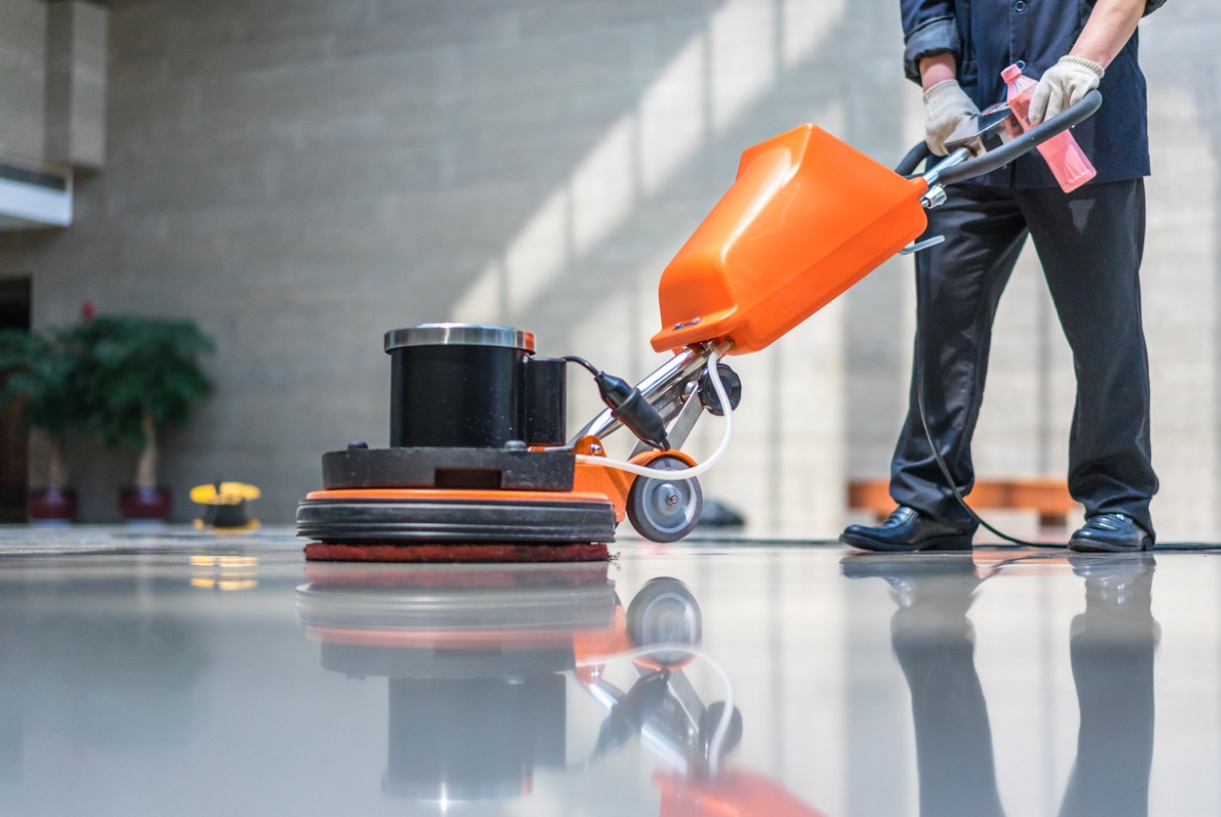
Marble floor polishing requires specific tools and products to achieve the best results. A floor buffer with a polishing pad is ideal for larger areas, but a handheld polisher will work for smaller spaces. Make sure you choose a polishing product specifically designed for marble floors, as using the wrong type can lead to damage.
Apply the Marble Polish
Once your floors are clean and dry, it’s time to apply the marble polish. Follow the instructions on your polish carefully. Generally, you’ll want to apply a small amount of polish to the floor and spread it evenly using your buffer or polisher. Work in significantly larger sections to ensure you cover the floor thoroughly.
Buff the Floors
After applying the polish
Use your buffer or polisher to buff the floor in a circular motion. Start with a low-speed setting and apply light pressure to avoid scratching the surface. Continue buffing until the polish has worked into the stone and you begin to see a shine.
Clean and Inspect
Once the polishing is complete, use a clean cloth to remove any remaining polish or residue. Inspect the floor carefully to make sure all areas have been polished evenly. You can repeat the process on any spots that need extra attention if necessary.
Benefits of Marble Floor Polishing
Polishing your marble floors brings several benefits. It restores the natural shine and smooths out minor imperfections, keeping the surface looking fresh. Additionally, it adds a layer of protection, making the floors more resistant to future damage, such as scratches and stains.
Conclusion
Marble floor polishing is a simple and effective way to maintain the beauty and durability of your floors. Following the steps outlined above, you can quickly restore their natural shine and protect them from everyday wear. With regular care and occasional polishing, your marble floors will continue to impress, looking fresh and new for years.
