
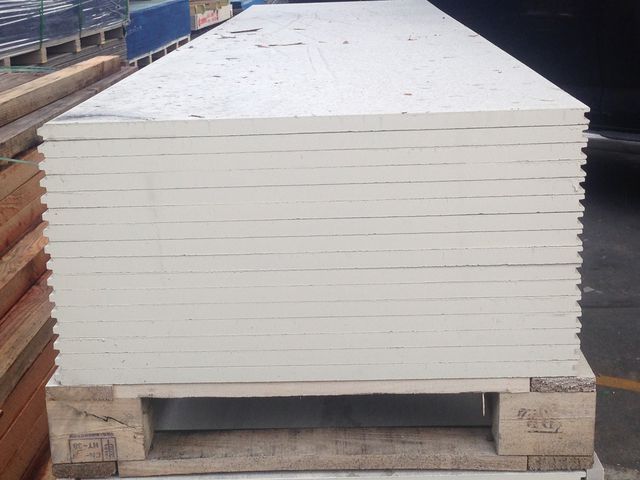
Fibre Cement Sheet: A Durable and Versatile Building Material
Fibre cement sheet has become a trusted material in modern construction due to its strength, durability, and design versatility. Made from a blend of cement, cellulose fibres, silica, and water, it offers a reliable alternative to timber and traditional cement-based products. Its long-lasting performance and low maintenance requirements make it suitable for a wide range of residential, commercial, and industrial applications.
Weather and Moisture Resistance
One of the most significant benefits of fibre cement sheet is its ability to withstand harsh environmental conditions. Unlike timber, it does not rot, swell, or warp when exposed to moisture. This makes it ideal for humid regions, coastal environments, and areas that experience heavy rainfall. The material remains dimensionally stable, maintaining structural integrity even through temperature changes and seasonal weather variations.
Exceptional Fire Resistance
Safety is a key consideration in building design, and fibre cement sheet excels in this area. As a non-combustible material, it offers excellent fire-resistant properties and often meets or exceeds strict fire-safety standards. It is suitable for boundary walls, bushfire-prone areas, and any application where fire performance is critical. This gives homeowners and developers added peace of mind.
Aesthetic Flexibility and Design Options
Beyond durability, fibre cement sheet offers impressive aesthetic versatility. Available in smooth, textured, timber-look, or stone-like finishes, it can complement a wide range of architectural styles. It can be painted in virtually any colour, allowing designers to customise façades, interiors, or decorative features. Its adaptability makes it ideal for cladding, internal wall linings, feature panels, and soffits.
Simple Installation and Workability
Fibre cement sheets can be cut and installed using standard building tools, making them practical for both professional builders and experienced DIY users. They can be fixed with nails, screws, or specific cladding systems depending on the application. Although slightly heavier than timber and PVC panels, their strength and rigidity reduce long-term maintenance. Proper dust-control measures must be followed when cutting.
Environmentally Sustainable Choice
Many manufacturers use eco-friendly production methods, including water recycling and sustainably sourced fibres. Fibre cement’s long lifespan means fewer replacements, reducing material waste over time. When paired with insulation systems, it also contributes to better energy efficiency in buildings, supporting greener construction practices.
Low Maintenance Requirements
Once installed and painted, fibre cement sheets require minimal upkeep. Surfaces generally only need occasional washing to remove dirt or debris. Because the material does not absorb moisture or expand significantly, paint finishes last longer compared to timber, reducing the frequency of repainting and overall maintenance costs.
Conclusion
Fibre cement sheet stands out as a durable, safe, and highly versatile building material. Its resistance to fire, moisture, pests, and harsh weather makes it an excellent choice for both exterior and interior applications. With minimal maintenance, strong design flexibility, and long-term value, fibre cement sheet continues to be a preferred solution for builders, architects, and homeowners seeking dependable performance and modern aesthetics.

