
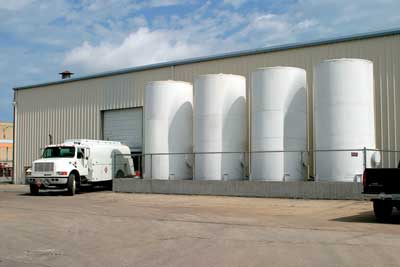
Are Bulk Oil Distributors Essential For Modern Industrial Operations?
The sustained efficiency of heavy machinery, manufacturing lines, and large-scale transportation fleets relies fundamentally on a consistent and high-quality supply of lubricants and operational fluids. Working with Bulk Oil Distributors is not merely a convenience; it is a critical strategic partnership for businesses that consume oil in significant volumes. These distributors are specialists in the complex logistics of product handling, storage, and delivery, acting as the crucial, dependable link between global refineries and the specific needs of local and regional industry. Their expertise ensures that the precise formulations—from sophisticated synthetic engine oils to high-performance hydraulic fluids—are delivered uncontaminated, on time, and compliant with all relevant industry standards, thereby protecting valuable assets and maximising operational uptime.
How Do Bulk Oil Distributors Ensure Quality and Product Integrity?
Product integrity is the single most important factor when dealing with lubricants and fuels, as compromised quality can lead directly to catastrophic equipment failure and costly downtime. Leading distributors implement rigorous quality assurance protocols that span the entire supply chain, offering clients peace of mind that the fluids they receive will perform exactly as specified by the manufacturer.
- Closed-Loop Contamination Control: Distributors use dedicated, sealed transport tankers and specialised pumping equipment to minimise exposure to external contaminants like water, dirt, and airborne particles, which are the primary causes of premature fluid degradation.
- Supplier Vetting and Certification: They only source products directly from accredited refineries or established manufacturers, ensuring every batch conforms to international standards like ISO and specific OEM (Original Equipment Manufacturer) specifications, with supporting documentation provided upon request.
- Routine Tank and Facility Audits: Storage tanks at distribution centres are subject to scheduled inspections, cleaning, and sediment removal to prevent the build-up of sludge or water bottoms. This proactive maintenance guarantees that the products delivered retain their original chemical composition and cleanliness.
- On-Site Filtration and Testing: Some sophisticated distributors offer the service of pre-delivery or even on-site filtration, using high-efficiency filters to achieve required cleanliness codes (such as those measured by the ISO 4406 standard) immediately before the oil is dispensed into the customer’s storage tank.
- Traceability and Batch Management: An advanced inventory system allows distributors to track every volume of oil back to its original production batch, providing complete transparency and facilitating rapid isolation of any quality issue should one ever arise.
What Logistical Advantages Do Bulk Deliveries Offer Businesses?
Moving from packaged goods (drums or intermediate bulk containers) to bulk deliveries fundamentally shifts the cost and efficiency profile of oil consumption. The logistical advantages extend far beyond a simple reduction in unit cost, significantly streamlining inventory management and reducing the environmental footprint of operations.
- Optimised Inventory Management: Automated delivery scheduling, often managed by the distributor based on usage telemetry from the customer’s storage tanks, ensures a reliable supply without the need for the customer to constantly monitor stock levels, reducing the risk of costly run-outs or overstocking.
- Reduced Waste and Handling Costs: Bulk delivery eliminates the purchase and disposal of packaging, such as metal drums and plastic containers. This saves on storage space, removes associated disposal fees, and dramatically lowers the labour required for drum handling and decanting.
- Customised Delivery Solutions: Distributors offer flexible delivery options, including smaller tankers for restricted access sites, or metered delivery systems for accurate dispensing. They often accommodate out-of-hours delivery slots to minimise disruption to the customer’s active work schedule.
- Superior Safety Compliance: Handling oil in bulk is inherently safer than manually moving and tipping drums, reducing the risk of spillage, leakage, and manual handling injuries for on-site personnel. Dedicated fill points also prevent accidental mix-ups of different product types.
How Can Distributors Assist with Product Selection and Technical Support?
The array of modern lubricants, each designed for specific pressures, temperatures, and duty cycles, can be overwhelming. Reputable Bulk Oil Distributors serve as technical consultants, helping clients navigate complex product specifications to ensure they are using the right fluid for every application.
- Deep Application Expertise: Distributors employ technical sales teams with extensive knowledge of specific industrial sectors—from marine and construction to manufacturing and power generation—allowing them to recommend products that meet stringent OEM warranties and maximise equipment lifespan.
- Consolidation and Simplification: They can conduct a lubrication survey of a client’s entire facility or fleet and recommend a rationalised product list. This consolidation reduces the number of different oils needed, simplifying purchasing, reducing inventory complexity, and minimising the risk of applying the wrong lubricant.
- Condition Monitoring and Testing Services: Many distributors facilitate or directly offer oil analysis programmes, where samples of used oil are tested for contamination, wear metals, and degradation products. This service provides early warning of equipment failure, allowing for preventative maintenance.
- Regulatory Guidance: They provide up-to-date advice on environmental legislation and storage requirements, ensuring that the customer’s on-site storage facilities and dispensing practices comply with all local and national health, safety, and environmental regulations.
Choosing the right Bulk Oil Distributors is a strategic decision that underpins the reliability and financial health of any oil-intensive operation. By leveraging their expertise in quality control, advanced logistics, and technical consultation, businesses can ensure a seamless, cost-effective, and technically correct supply of essential operational fluids. A strong distribution partnership protects assets, optimises inventory, and drives sustained operational excellence.