
How Does Epoxy Concrete Repair Work in Structural Applications?
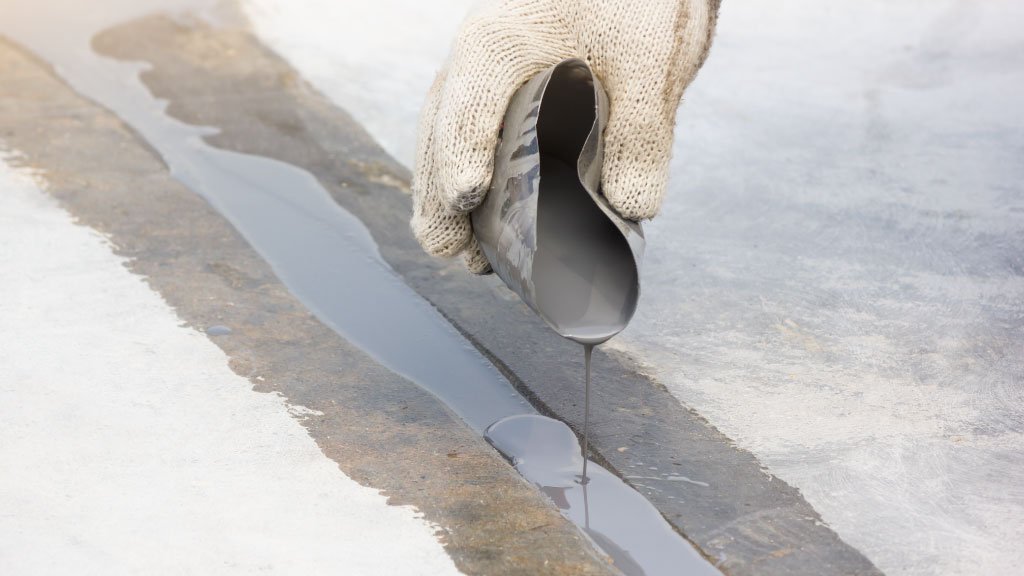
Epoxy concrete repair is commonly used for structural restoration in concrete elements like beams, columns, and slabs. The method involves injecting or spreading a high-strength epoxy resin to bond and restore damaged concrete surfaces. It offers excellent load-bearing capacity and durability for projects that demand both strength and precision.
For structural integrity and long-lasting results, understanding where epoxy repair is most effective and how it’s applied is essential.
What Types of Damage Can Epoxy Repair Handle?
- Cracks in Load-Bearing Structures
Epoxy provides strong adhesion and restores the original strength of cracked concrete in structural components like beams and support columns. This makes it suitable for industrial, commercial, and residential applications where safety is a concern. - Surface Spalls and Delamination
When concrete surfaces begin to chip or flake, epoxy can fill voids and re-bond layers. This process not only restores the appearance but also prevents further moisture penetration and deterioration. - Joint Repair in Pavements and Slabs
Cracks or separation in concrete slabs can be repaired using epoxy to prevent water infiltration and joint expansion. It stabilises the area and prevents trip hazards.
What Are the Benefits of Epoxy Repair?
- High Compressive Strength
Epoxy resins are known for their ability to withstand heavy loads once cured. This makes them suitable for repairing structural cracks in concrete that must endure significant weight or vibration. - Durable Bonding
The adhesive strength of epoxy ensures that once it bonds, it forms a long-lasting seal. This makes it a low-maintenance solution for many structural applications. - Resistance to Environmental Damage
Epoxy repairs resist oil, chemicals, moisture, and temperature changes, which enhances durability in harsh environments such as factories or outdoor installations.
How is Epoxy Repair Applied?
- Injection or Patch Application
For deep cracks, epoxy is injected using specialised pumps. Surface-level damage is often repaired with epoxy pastes or coatings spread with trowels for even coverage. - Surface Preparation
Clean, dry, and dust-free surfaces are critical to ensure proper bonding. Inadequate preparation can lead to premature failure of the repair. - Curing Requirements
Epoxy takes longer to cure than polyurethane, often requiring hours or days depending on the product. Temperature and humidity levels also affect cure time.
Where Should Epoxy Repair Not Be Used?
- Wet or Moving Cracks
Epoxy requires a dry, stable surface to bond properly. For active leaks or cracks with movement, other materials like polyurethane are more effective. - Highly Flexible Surfaces
Because epoxy hardens into a rigid form, it may crack again if used on surfaces subject to expansion, vibration, or regular movement. - Uncured Concrete
New concrete that hasn’t fully cured can interfere with epoxy bonding. It’s best applied on cured concrete to ensure maximum adhesion.
How Long Does Epoxy Repair Last?
- Extended Service Life
Properly applied epoxy repairs can last for decades. Their chemical and physical properties provide strong, reliable support for restored structures. - Minimal Maintenance
Once cured, epoxy does not require frequent upkeep. It continues to perform under demanding conditions with very little attention. - Cost-Effective Over Time
Although the initial cost may be higher, the long-term durability and minimal repair needs make epoxy a cost-effective option.
For structural repairs that demand strength and permanence, epoxy concrete repair is a proven and reliable choice. Its high bonding strength, resistance to damage, and ability to restore load-bearing integrity make it the preferred solution for critical concrete restoration work.