
Navigating Office Signage: Exploring Diverse Types For Effective Workplace Communication
Office signage plays a crucial role in guiding employees, visitors, and clients through workplaces while enhancing brand identity and communication. From practical wayfinding signs to decorative elements, each type serves a specific purpose in creating a functional and aesthetically pleasing office environment. Here are some new and unique points to consider when exploring the types of office signs available.
1. Functional Wayfinding Signs
– Directory Signs:
Directory signs provide a comprehensive list of departments, floors, or tenants within a building. They are essential in large office complexes or multi-tenant buildings to help visitors and employees locate specific destinations efficiently.
– Floor Number Signs:
These signs indicate the floor number at elevator banks or stairwells, aiding navigation within multi-story buildings. Clear visibility and consistent placement ensure ease of use for everyone, including visitors and those unfamiliar with the layout.
2. Safety and Regulatory Signs
– Emergency Exit Signs:
Vital for safety compliance, emergency exit signs guide individuals to exits in case of emergencies. They are often illuminated and strategically placed to remain visible during power outages or low-light conditions.
– Fire Safety Signs:
Fire safety signs include instructions such as fire extinguisher locations, fire alarm pull stations, and evacuation routes. Compliance with fire safety regulations ensures workplace safety and preparedness for emergencies.
3. Branding and Decorative Signs
– Logo Signs:
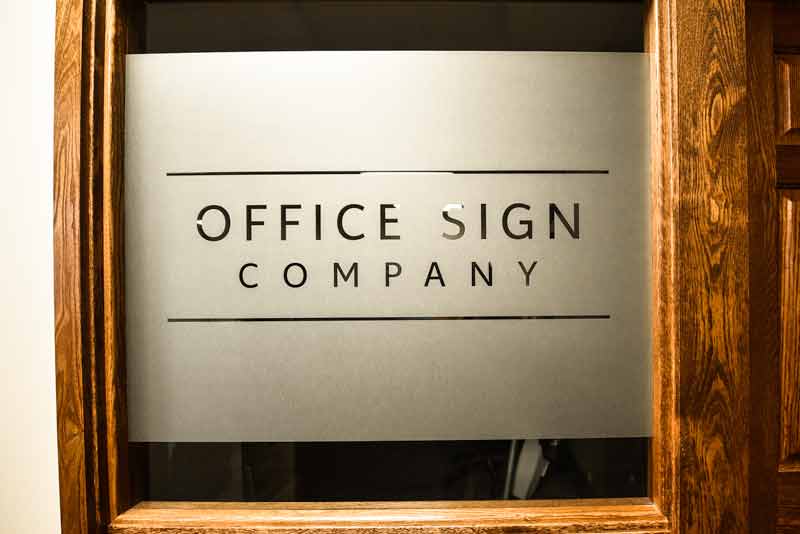
These signs prominently display company logos and brand elements in reception areas, conference rooms, or lobbies. They reinforce brand identity and create a professional atmosphere that aligns with the company’s image.
– Wall Graphics and Murals:
Beyond traditional signage, wall graphics and murals can transform office spaces into visually appealing environments. They can feature company values, motivational quotes, or artistic designs that enhance the office ambiance and inspire creativity.
4. Informative and Instructional Signs
– Office Hours Signs:
Placed near entrances or reception areas, office hours signs inform visitors and clients about operational hours. Clear communication of business hours helps manage expectations and ensures efficient customer service.
– Procedural Signs:
These signs outline specific procedures or protocols within the office environment. Examples include signs for restroom etiquette, recycling guidelines, or security procedures, promoting a cohesive and organised workplace culture.
5. Interactive and Digital Signs
– Touchscreen Information Kiosks:
In modern office settings, touchscreen kiosks provide interactive maps, directories, and real-time updates. They enhance visitor experience by offering self-service information retrieval and navigation assistance.
– Digital Signage Displays:
Digital signage screens can display dynamic content such as announcements, news updates, event schedules, or promotional messages. They are versatile tools for internal communication and engaging employees with relevant information.
Effective office signage goes beyond mere navigation; it enhances workplace functionality, reinforces brand identity, and contributes to a positive office environment. By considering the diverse types of office signs available—ranging from functional wayfinding signs and safety regulations to branding elements and innovative digital displays—organisations can strategically utilise signage to improve communication, streamline operations, and create a welcoming and professional atmosphere for employees and visitors alike. Whether aiming to comply with safety standards, enhance brand visibility, or promote sustainability, choosing the right types of office signs plays a pivotal role in shaping the overall office experience and supporting organisational goals.