
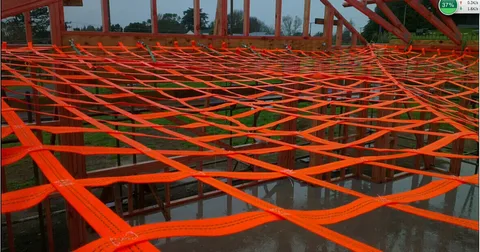
Protecting Sydney’s Worksites With Advanced Fall Prevention Systems
Sydney’s construction industry is expanding at an unprecedented pace, with high-rise buildings and complex structures reshaping the skyline. As projects become taller and more intricate, safety risks increase, particularly for workers operating at height. One of the most effective solutions to manage these risks is the implementation of fall arrest safety netting. These systems provide a reliable safety barrier, protecting personnel from accidental falls while supporting efficiency on busy construction sites. Understanding the full range of benefits and operational considerations is essential for contractors, site managers, and anyone involved in Sydney’s building industry.
Why Safety Nets Are Critical for Elevated Work
Falls remain one of the most common causes of injuries in construction. High-rise developments in Sydney, from Parramatta’s residential towers to commercial projects in North Sydney, demand stringent preventive measures. Safety netting offers a practical and highly effective solution.
• Collective protection – Unlike personal harnesses that only safeguard one individual, nets cover an entire working zone, providing a safety layer for multiple employees simultaneously.
• Minimised impact severity – Nets are engineered to absorb and distribute the force of a fall, reducing the likelihood of severe injuries.
• Debris containment – Tools, equipment, or construction materials accidentally dropped from heights are caught by the netting, preventing potential harm to workers below and pedestrians in surrounding areas.
These features make netting a vital component of comprehensive safety strategies, particularly in Sydney’s densely populated construction zones.
How Modern Netting Systems Operate
Safety nets have evolved beyond simple mesh installations. Today’s systems are highly adaptable and designed to accommodate the challenges of modern construction.
• High-strength materials – Premium fibres stretch under pressure, absorbing energy and reducing the impact on a falling worker.
• Flexible configurations – Nets can be shaped to fit around irregular façades, curved edges, and scaffold frameworks, making them suitable for a variety of building designs.
• Scaffold integration – Nets are securely attached without affecting the stability of temporary structures, ensuring that protection does not compromise overall site safety.
This flexibility is particularly useful in Sydney, where building designs often feature innovative, non-linear façades that standard safety equipment cannot easily cover.
Compliance with Australian Safety Standards
Fall arrest netting must meet strict Australian safety regulations to guarantee effective performance. Compliance ensures that protective measures are reliable under local environmental conditions.
• UV and weather resistance – Sydney’s intense sun and coastal wind exposure require nets that maintain their integrity over long periods.
• Correct anchoring – Anchor points must be selected and inspected by qualified personnel to ensure they can handle potential loads.
• Regular inspections – Routine checks help identify wear or damage, ensuring the system remains fully functional throughout all stages of construction.
Adhering to these requirements not only enhances safety but also reduces potential legal and regulatory issues for contractors operating in the region.
Enhancing Productivity and Workflow
Safety nets do more than prevent injuries; they contribute to smoother operations across the site.
• Worker confidence – Knowing a net is in place allows employees to move freely, improving focus and efficiency.
• Reduced downtime – Fewer accidents mean less disruption to schedules, particularly important in high-density areas of Sydney where site access may be limited.
• Ground-level protection – Workers handling deliveries, machinery, or materials below elevated areas are also safeguarded, allowing multiple tasks to be carried out simultaneously.
This combination of safety and efficiency makes netting a practical investment for large-scale construction projects.
Adapting to Sydney’s Urban and Suburban Environments
Different suburbs present unique challenges that netting systems must accommodate.
• Inner-city zones – Tight streets and high pedestrian traffic require additional debris protection measures.
• Coastal areas – Nets used near Sydney’s shorelines must withstand wind, salt, and moisture exposure.
• Emerging growth corridors – Flexible systems that can be repositioned as construction progresses are ideal for multi-stage builds in suburbs like Mascot or Macquarie Park.
The adaptability of netting ensures it can provide consistent protection, regardless of the specific environment or building type.
Fostering a Safety-Oriented Culture
Netting not only prevents accidents but also encourages a broader culture of safety.
• Visual boundaries – Clearly indicate hazardous zones, helping workers and visitors stay aware of risk areas.
• Improved coordination – Facilitates safer operation for multiple teams working simultaneously on a project.
• Protection for all personnel – Covers both those working at height and others on the ground, creating an inclusive approach to safety.
By embedding safety nets into everyday construction practices, teams are more likely to adopt safe behaviours and reduce overall risk.
Conclusion
As Sydney’s skyline continues to rise, robust safety systems are essential to protect workers and maintain efficient operations. Integrating fall arrest safety netting into construction planning not only safeguards personnel and pedestrians but also enhances workflow, ensures compliance with Australian standards, and supports a culture of workplace safety. Its versatility and reliability make it an indispensable tool for any elevated construction project across Sydney’s diverse urban and suburban landscapes.