
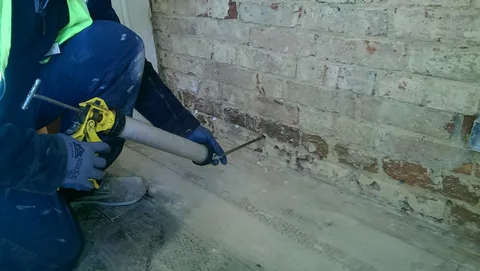
Rising Damp Specialist In Sydney: How Experts Identify And Treat Damp Issues
Moisture problems in buildings can silently damage structures over time. One of the most common and destructive issues is rising damp. It affects walls, flooring, and even the health of occupants. When this problem occurs, seeking help from a rising damp specialist in Sydney becomes essential. A rising damp specialist in Sydney can identify the underlying cause and recommend the right solution to prevent long-term damage.
What is Rising Damp and How Does It Occur?
Rising damp happens when moisture from the ground travels upward through porous building materials like bricks or plaster. This usually occurs when there is no effective damp-proof course, or if the existing barrier has deteriorated. The moisture carries soluble salts that can leave visible marks, such as white powdery deposits, or cause plaster and paint to bubble and flake.
The process is gradual, which is why many homeowners may not notice it until significant damage has occurred. It can affect both older and modern properties if the waterproofing layer fails. In some cases, poor ventilation and blocked weep holes can worsen the issue.
How Can You Identify Rising Damp in Your Home?
Recognising the signs of rising damp early can prevent extensive repairs later. Common indicators include:
- Tide marks or stains on internal walls, often up to a metre high.
- Peeling paint or wallpaper, especially near the base of walls.
- Crumbling plaster and decayed skirting boards.
- Musty odours that linger in affected areas.
- Cold or damp patches that remain even after airing the room.
If these symptoms appear, it’s best not to ignore them. They often point to a deeper moisture problem that needs professional attention.
Why Should You Call a Rising Damp Specialist in Sydney?
Attempting to fix rising damp without expert knowledge can lead to temporary or ineffective results. A specialist has the skills, tools, and experience to assess the issue thoroughly. Their process often includes:
- Moisture testing to determine the extent of dampness.
- Wall inspections to locate damaged or missing damp-proof courses.
- Salt analysis to identify moisture sources.
- Tailored treatment plans suited to the property type and construction.
Professionals use advanced drying and barrier application techniques to stop moisture from rising again. They also ensure proper ventilation, which helps keep walls dry and reduces the chance of mould growth.
What Happens If Rising Damp Is Left Untreated?
Ignoring rising damp can lead to structural and health-related problems. Moisture weakens plaster, corrodes metal fixtures, and causes timber to rot. Over time, it can compromise the stability of walls.
For residents, the damp environment can trigger allergies, respiratory issues, and mould exposure. The aesthetic appeal of the home also suffers, as discoloured walls and peeling surfaces make interiors look aged and neglected. Addressing the issue early saves time, money, and avoids larger repairs later.
How Can You Prevent Rising Damp in the Future?
Prevention begins with good maintenance and moisture control. Here are some practical steps:
- Ensure the ground level around the building sits below the damp-proof course.
- Keep drains and gutters clear to prevent water from pooling near foundations.
- Maintain adequate ventilation, especially in areas like basements and bathrooms.
- Use water-resistant coatings or sealants when needed.
- Regularly inspect the property for cracks or leaks.
These small actions go a long way in keeping your home dry and structurally sound.
Conclusion
Rising damp is more than just a cosmetic issue; it’s a sign that moisture has infiltrated your property’s foundation. Engaging a rising damp specialist in Sydney ensures the problem is diagnosed accurately and treated effectively. With the right approach and preventive measures, your home can remain safe, healthy, and free from persistent dampness.