
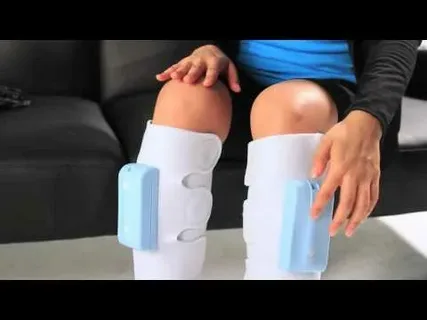
The Benefits of Using a DVT Leg Compression Device in Australia
Deep Vein Thrombosis (DVT) is an issue that affects many, particularly those who spend long hours sitting or standing. Fortunately, the advent of DVT leg compression devices offers a practical solution to help prevent this condition. For Australians, who often lead active lifestyles or endure long commutes, these devices can be a game-changer. You will dive into why they’re worth considering and how they can benefit you.
Understanding DVT and Its Risks
- DVT occurs when a blood clot forms in a deep vein, usually in the legs.
- It can happen to anyone, but certain factors increase the risk. Prolonged immobility, such as long-distance travel or sitting at a desk for hours, can lead to this condition.
- In Australia, where life often involves travel and adventure, being aware of DVT is crucial.
What Is a DVT Leg Compression Device?
- A DVT leg compression device is designed to improve circulation in the legs.
- It works by applying gentle pressure, which helps blood flow more freely and reduces the risk of clot formation.
- These devices come in various forms, such as sleeves or inflatable wraps, making them versatile for different needs.
Ideal for Frequent Travellers
- For those travelling across Australia or abroad, a DVT leg compression device can be a travel essential.
- Long flights or road trips can significantly increase the risk of DVT, but using a compression device can help maintain healthy circulation, making travel safer and more comfortable.
Beneficial for Office Workers
- Australians working in offices might find themselves sitting for long periods.
- A DVT leg compression device can be an effective way to counteract the effects of prolonged sitting.
- By promoting better blood flow, these devices can reduce the feeling of tired, heavy legs and keep you feeling energised throughout the day.
Helping Athletes and the Physically Active
- Athletes and those who lead active lifestyles can also benefit from using these devices.
- After a rigorous workout, a DVT leg compression device can aid in recovery by reducing muscle soreness and swelling, allowing for quicker recovery times.
Support for Post-Surgery Recovery
- In Australia, many hospitals and healthcare providers recommend using DVT leg compression devices post-surgery.
- This helps in preventing blood clots during the recovery period, which is crucial for ensuring a smooth healing process.
Easy to Use and Portable
- One of the main advantages of these devices is their ease of use and portability.
- They’re lightweight and can be easily packed in a bag, making them convenient for travel or daily use.
- Whether you’re at home, at work, or on the go, you can easily incorporate their use into your routine.
A Cost-Effective Preventive Measure
- Investing in a DVT leg compression device can be a cost-effective way to prevent potential health issues.
- While medical treatment for DVT can be expensive, using a preventive device is a small investment that can save you from significant health problems and medical bills in the future.
Conclusion
In a country like Australia, where lifestyle and work habits can vary widely, a DVT leg compression device offers a practical solution for maintaining leg health. Whether you’re a frequent traveller, office worker, or athlete, these devices can be a valuable addition to your daily routine.
FAQs
1.Are DVT leg compression devices available in Australia?
Yes, they’re widely available online and in health stores across Australia. It’s essential to choose a reliable supplier to
ensure product quality.
2.How often should one use a DVT leg compression device?
Usage depends on individual needs and recommendations from healthcare providers, but typically, they can be used daily, especially during long periods of inactivity or post-exercise.
3.Can anyone use a DVT leg compression device?
While generally safe, individuals with certain medical conditions should consult with a healthcare professional before use.