
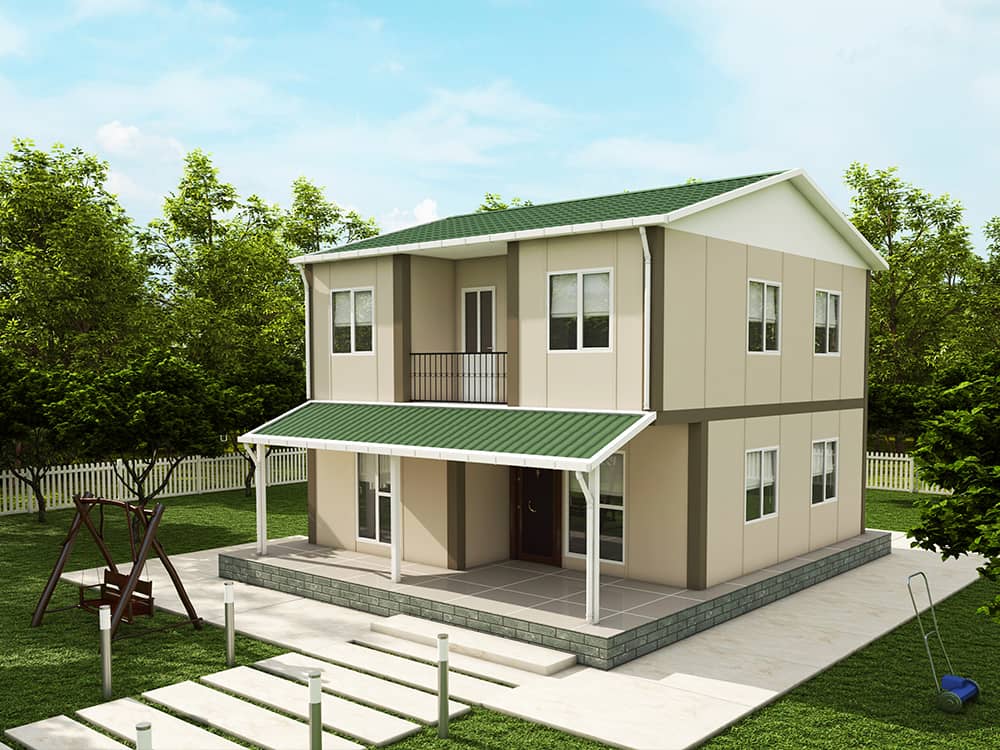
The concept of affordable housing is taking a different approach, which prefab homes seem to embody. As demand increases for an affordable and efficient solution toward housing, gaining insights regarding the future housing trend related to prefab home price can greatly help. Let’s explore several emerging trends in the market of prefab housing and the implications behind them.
On the Steady Rise- Demand Increases for Efficiency
- Among the most significant trends driving the prefab housing market is the demand for efficiency in construction.
- In a scenario where traditional building methods often face delays and rising costs resulting from labor shortages and supply chain disruptions, most homeowners and developers are opting for prefabricated options.
- Such houses are manufactured off-site in controlled environments and, thus, can be quickly assembled on-site.
- As a result, this efficiency can lead to lower overall costs, making prefab homes an attractive option for those seeking affordable housing solutions.
Sustainable Building Practices
- Sustainability is another crucial trend that impacts prefab home prices. With increased concerns about the environment, most manufacturers are embracing eco-friendly materials and construction practices.
- Not only do these appeal to consumers concerned with the environment, but they also often end up saving money in the long run through energy-efficient designs.
- Sustainable material homes will often lower utility bills and maintenance, thus making them a worthwhile investment in the long term.
Technological Advancements
- Technological changes are transforming the prefab housing industry. Techniques such as Building Information Modeling (BIM) and new methods of manufacturing are enabling precision with reduced waste in the construction process.
- These technologies can potentially decrease production costs, thus being passed on to the consumers through more competitive prices. With the advancement of technology, we can only imagine more efficiency, which can make the price even cheaper.
Market Growth Projections
- The prefab housing market is anticipated to grow drastically in the following couple of years.
- As in keeping with enterprise reports, the global marketplace size is expected to be around USD 209.2 billion by 2032, with a compound annual increase price (CAGR) of around 67% from 2024 to 2032.
- This increase displays a robust interest in prefab houses as a feasible answer for addressing housing shortages and affordability issues.
Trends in Prefab Home Prices:
- Prefabricated homes are built in controlled factory settings, which reduces the cost of labour and saves materials.
- Shorter construction timelines mean lower labour costs and faster occupancy.
- Prefabricated homes can be built to fit different needs and requirements.
- Add or remove modules to accommodate changing family needs easily.
- Prefab homes can be designed to be very energy-efficient, reducing utility costs.
- Prefabricated houses can be designed to be highly energy-efficient, thus saving utility costs.
The Change Of Housing Is Here!
Let’s look forward to the future of affordable housing, it is obvious that prefab home prices will be highly instrumental in shaping the landscape ahead. With increasing demand for efficiency, sustainable practices, and technological advancements that are further reducing costs, these homes promise to be an answer for those seeking affordable living options. It can be seen that by being well-informed of these trends, potential homeowners can make informed decisions in line with their financial goals and for a more sustainable future.
