
Understanding Post-Tensioning: Revolutionizing Structural Integrity in Construction
In contemporary construction, post-tension has become a revolutionary technique that enhances the strength and performance of concrete structures. This method of reinforcing concrete offers numerous advantages, making it a preferred choice for many modern construction projects. In this blog, we’ll explore the fundamentals of post-tensioning and how it is transforming structural integrity in the building industry.
What Is Post-Tensioning?
Post-tensioning is a process used to reinforce concrete by introducing high-strength steel cables or rods into the structure. Unlike traditional reinforcement methods, where steel bars are placed before the concrete is poured, post-tensioning involves tensioning the steel cables after the concrete has cured. This technique allows for greater control over the concrete’s strength and performance.
The Process of Post-Tensioning
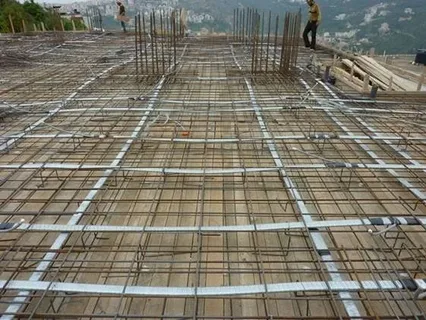
- Preparation: The process begins with the installation of steel cables or rods within the formwork. These cables are positioned according to the design specifications and are anchored at both ends.
- Concrete Pouring: Concrete is then poured over the cables, encasing them within the slab or structure. During this stage, the concrete is allowed to cure and gain strength.
- Tensioning: Once the concrete has reached the required strength, the steel cables are tensioned using hydraulic jacks. This tensioning process compresses the concrete, enhancing its load-bearing capacity and reducing the likelihood of cracks.
- Anchoring: The cables are anchored at the ends of the slab or structure, ensuring that the compressive forces are evenly distributed. The anchors are then grouted to secure the cables in place.
Benefits of Post-Tensioning
- Increased Strength and Durability
One of the primary advantages of post-tensioning is its ability to significantly increase the strength and durability of concrete structures. The tensioning of the steel cables counteracts the tensile forces that cause cracks, resulting in a more robust and resilient structure.
- Reduced Slab Thickness
Post-tensioning allows for thinner slabs compared to traditional reinforced concrete. This reduction in thickness can lead to cost savings and greater design flexibility, as thinner slabs reduce the overall weight of the structure and allow for larger spans.
- Enhanced Flexibility in Design
The flexibility of post-tensioning enables architects and engineers to create innovative designs with fewer support columns and beams. This capability is particularly beneficial for creating open, uninterrupted spaces in buildings and bridges.
- Minimised Cracking
Concrete is prone to cracking due to shrinkage and temperature changes. Post-tensioning helps minimise these cracks by placing the concrete under compression, which counteracts the tensile forces that cause cracking.
- Faster Construction
The use of post-tensioning can expedite the construction process. Thinner slabs and fewer support elements result in quicker installation and reduced project timelines.
Applications of Post-Tensioning
Post-tensioning is widely used in various construction applications, including:
- High-Rise Buildings: The ability to support large loads and span long distances makes post-tensioning ideal for skyscrapers and high-rise structures.
- Bridges: Post-tensioning enhances the strength and durability of bridge components, allowing for longer spans and improved performance.
- Parking Garages: The flexibility and load-bearing capacity of post-tensioning make it suitable for multi-storey parking structures.
- Commercial and Residential Buildings: Post-tensioning is used in both commercial and residential projects to achieve large open spaces and increased structural integrity.
Conclusion: The Impact of Post-Tensioning on Modern Construction
Post-tension represents a significant advancement in construction technology, offering enhanced strength, durability, and design flexibility. By incorporating high-strength steel cables into concrete structures, post-tensioning addresses many of the limitations of traditional reinforcement methods. As the construction industry continues to evolve, post-tensioning remains a key technique in creating resilient, efficient, and innovative structures that meet the demands of modern engineering and design.