
Understanding Post Tensioning: The Key To Stronger, More Durable Structures
In the realm of modern construction, one of the most important techniques for enhancing the strength and durability of concrete is post tension. This advanced method involves reinforcing concrete by applying tensile stress to steel tendons embedded within the material. Post tensioning has revolutionised the way we build structures, offering significant advantages over traditional concrete reinforcement methods. In this article, we’ll dive deep into the concept of post tensioning, its benefits, and how it contributes to creating stronger, longer-lasting structures.
What is Post Tensioning?
- The Basics of Post Tensioning
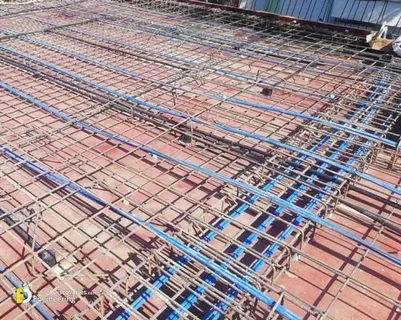
At its core, post tensioning is a technique that uses steel cables or tendons to reinforce concrete structures. The tendons are placed inside ducts or sleeves embedded within the concrete before it is poured. Once the concrete has cured, the tendons are tensioned using hydraulic jacks, creating a compressive force that strengthens the concrete. This method works by actively pushing the concrete together, preventing cracks and increasing its ability to withstand stress. - How Post Tensioning Works
The process of post tensioning begins when the tendons are laid inside the concrete formwork before the concrete is poured. Once the concrete has fully cured, hydraulic jacks are used to pull the tendons tight, creating a high level of tension. This compresses the concrete and helps it resist cracking under pressure. The tendons are then anchored securely at both ends, and the concrete’s strength is enhanced.
The Benefits of Post Tensioning
- Increased Strength and Durability
The primary advantage of post tensioning is the increased strength it provides to concrete. By compressing the concrete internally, post tensioning ensures that the material is more resistant to cracking, shrinking, and bending under pressure. This enhanced durability makes post-tensioned concrete ideal for heavy-use structures such as bridges, multi-storey buildings, and high-traffic areas like parking garages. - Flexibility in Design
Post tensioning allows for greater flexibility in design. The strength of the concrete can be increased without the need for additional reinforcement like steel bars. This results in thinner slabs and beams, allowing architects and engineers to create more expansive and open designs. For example, in high-rise buildings or large commercial spaces, post-tensioning can eliminate the need for numerous support columns, creating a more open floor plan. - Cost Efficiency
While the initial cost of post tensioning may be higher than traditional reinforcement methods, it often results in overall cost savings. The ability to use less concrete and steel leads to a reduction in material costs, while the faster construction time reduces labour expenses. Moreover, the reduced need for maintenance and repairs over the lifespan of the structure further contributes to long-term savings. - Faster Construction
Post tensioning can speed up the construction process. Since the technique requires fewer materials and less formwork, the time required to build the structure is reduced. This not only helps meet tight project deadlines but also lowers construction costs and accelerates return on investment. - Resistance to Seismic Activity
In earthquake-prone regions, post tensioning offers improved performance in seismic conditions. The tensioned tendons help absorb and distribute seismic forces, reducing the likelihood of structural damage during an earthquake. This makes post-tensioned concrete a suitable choice for high-rise buildings and infrastructure projects in seismic zones.
Applications of Post Tensioning
- High-Rise Buildings
Post tensioning is widely used in the construction of high-rise buildings. The method allows for thinner slabs and larger spans, making it an ideal choice for skyscrapers and other large, multi-storey structures. It enables buildings to withstand heavy loads and stress while maintaining structural integrity and aesthetic appeal. - Parking Structures
Parking garages and other large open spaces benefit significantly from post tensioning. The method allows for fewer support beams, which translates to larger, more open areas for parking and movement. It also helps the structure withstand the continuous load and vibration caused by moving vehicles. - Bridges and Infrastructure
In infrastructure projects, post tensioning is used to enhance the strength and durability of bridges, tunnels, and overpasses. The high tensile strength of post-tensioned concrete helps these structures support heavy traffic loads and resist the effects of environmental stress, ensuring a longer lifespan with minimal maintenance. - Residential Homes
In residential construction, post tensioning is increasingly being used in foundations. Post-tensioned slabs provide superior strength and stability, ensuring the structure can handle the weight of the house and resist shifting or settling over time.
Conclusion
Post tensioning is a vital technique in modern construction, offering significant benefits such as increased strength, design flexibility, and cost savings. Whether you’re building high-rise buildings, bridges, or residential foundations, post tensioning enhances the durability and performance of the structure while reducing long-term maintenance costs. With the growing demand for sustainable, efficient, and cost-effective construction practices, post tensioning is poised to remain an essential method for creating strong, durable, and reliable structures that can withstand the test of time.
