
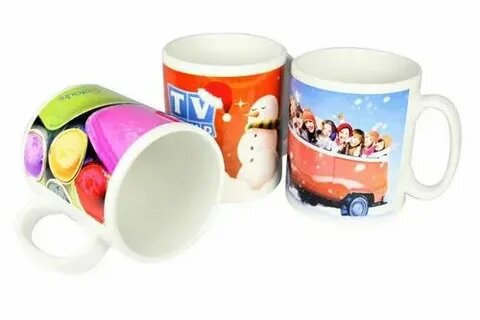
Understanding The World Of Sublimation
In the vast and ever-evolving landscape of printing and design, sublimation has emerged as a key player, revolutionising the way think about transferring designs onto various materials. This process, while complex in its scientific foundation, offers a straightforward and effective method for creating vibrant, long-lasting prints. This article delves into the essence of sublimation, exploring its process, applications, and the benefits it brings to the creative world.
The Sublimation Process: A Closer Look
Sublimation is a unique printing technique that involves converting a solid directly into a gas without passing through the liquid phase. This transformation occurs under specific heat and pressure conditions, allowing the dye to bond directly with the material’s fibers. The process begins with a special sublimation ink, which is printed onto a transfer paper. Once the design is printed, the paper is placed on the substrate (the material to be printed on), and both are subjected to high temperatures using a heat press. The heat causes the ink to sublimate, penetrating the substrate’s surface and solidifying upon cooling. This results in a high-quality, durable print that is resistant to fading and wear.
Where Is Sublimation Used?
Sublimation printing has found its niche in various industries, thanks to its versatility and the quality of the prints it produces. One of the most common applications is in the textile industry, where it is used to print designs on fabrics for clothing, banners, flags, and other items. The technology is particularly favored for sportswear, due to the durability of the prints under physical stress and frequent washing.
Beyond textiles, sublimation is also used to decorate a wide range of hard surfaces. This includes items like mugs, plates, phone cases, and even tiles. The ability to print on such a diverse array of materials makes sublimation a preferred choice for personalised gifts, promotional items, and custom home decor.
The Benefits Of Sublimation Printing
The appeal of sublimation printing lies not only in its versatility but also in the numerous advantages it offers over traditional printing methods. One of the most significant benefits is the quality of the prints. Sublimation allows for vibrant, full-color images with a level of detail and clarity that is hard to achieve with other techniques. Additionally, the prints are incredibly durable, resistant to fading from sunlight, and can withstand washing without losing their vibrancy.
Another advantage is the efficiency of the process. Sublimation printing is relatively quick, making it suitable for both small custom orders and large production runs. The process is also environmentally friendly, as it produces minimal waste and uses water-based inks that are less harmful to the environment.
Challenges And Considerations
While sublimation offers many benefits, there are also challenges to consider. The process requires specific types of inks and substrates, which can limit the materials that can be used. For instance, sublimation works best on polyester fabrics or polymer-coated items, which means it is not suitable for all types of products. Additionally, the initial setup costs for sublimation printing can be high, making it less accessible for small businesses or individuals just starting out.
Conclusion
Sublimation has undoubtedly carved its niche in the printing and design world, offering a unique blend of quality, durability, and versatility. Whether it’s for creating custom apparel, personalised gifts, or promotional items, sublimation provides a reliable and efficient solution. As technology continues to advance, can only expect this printing method to become even more accessible and widely used, further cementing its role in the creative industry.